Trying to choose between a condo and a single-family home in Arizona Biltmore Estates can feel like comparing apples to oranges. You want the Biltmore lifestyle, but you also want to be smart about fees, maintenance, and long-term value. In this guide, you’ll get a clear, side-by-side look at what you actually get with each option in the ABEVA area, how the HOAs work, what typical costs look like, and the questions that lead to the right choice for you. Let’s dive in.
Arizona Biltmore Estates at a glance
Arizona Biltmore Estates sits within the Arizona Biltmore Estates Village Association, known as ABEVA. ABEVA is the master HOA for the Biltmore residential area and includes 17 individual sub-communities, each with its own HOA. You can confirm the master association’s scope and structure on the ABEVA overview page, which outlines the neighborhood footprint and sub-association setup. ABEVA’s information page is the best starting point.
ABEVA handles master-level services that benefit all owners. These services include common-area landscaping outside individual communities, streetlight and pavement maintenance, enforcement of master CC&Rs, and a 24/7 roving patrol that covers the Biltmore area. You can review the association’s current operating and reserve planning in the 2024–2025 ABEVA budget package.
One important cost note. ABEVA reports about 1,688 homeowners and shows total assessment income of $585,000 in the 2024 budget. That math implies an approximate master assessment near $350 per homeowner per year. This is an estimate based on public numbers and owners may pay different amounts. Always confirm your exact ABEVA assessment with the association before you go under contract.
What you’ll find: condos, townhomes, homes
Condos: high-amenity and lock-and-leave
In the Biltmore core, you’ll see high-rise and garden-style condos that deliver convenience and amenities. Representative buildings show list prices ranging from the mid $300,000s into $1 million plus for larger or penthouse units. Monthly HOA dues commonly run about $600 up to $1,500, and some units with expanded services or capital projects can reach roughly $2,200.
What do condo fees usually cover? You often get building and structure insurance under a master policy, exterior and roof maintenance, elevator and common-area utilities, pools and fitness centers, and sometimes concierge or onsite staff. These perks make condos the easiest lock-and-leave option, but they produce the highest recurring fee curve per square foot.
Townhomes: a middle ground
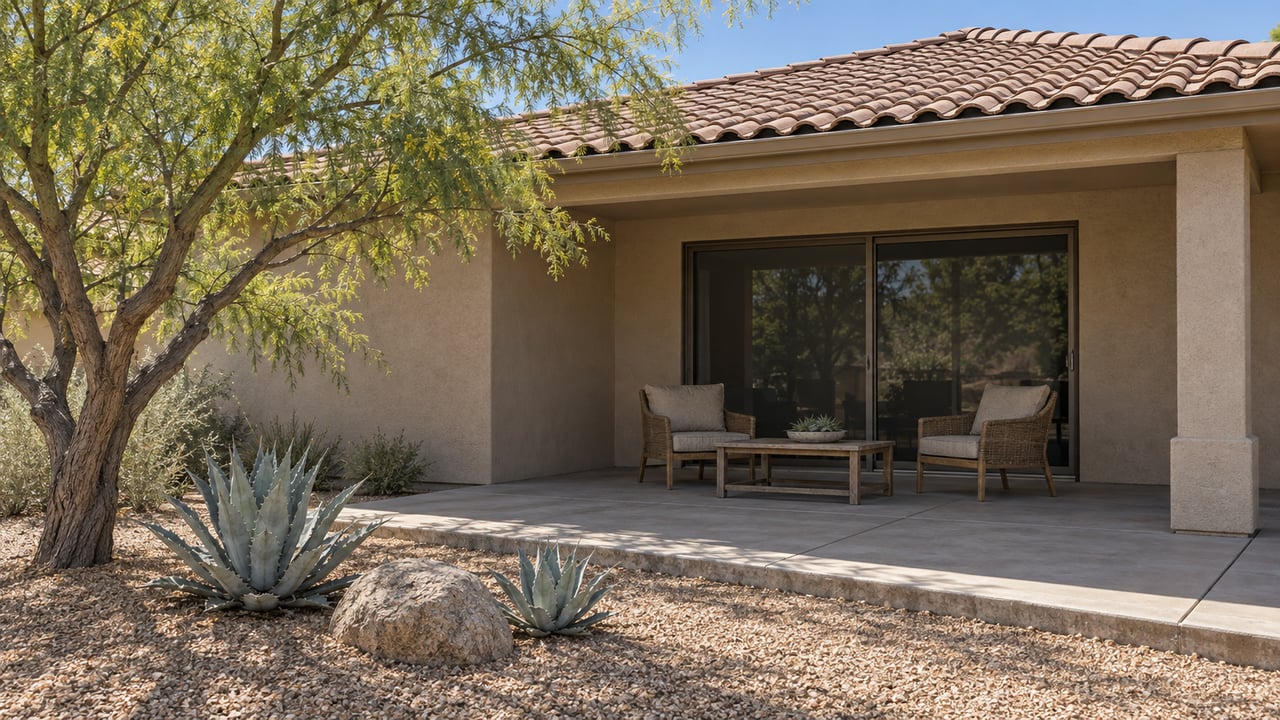
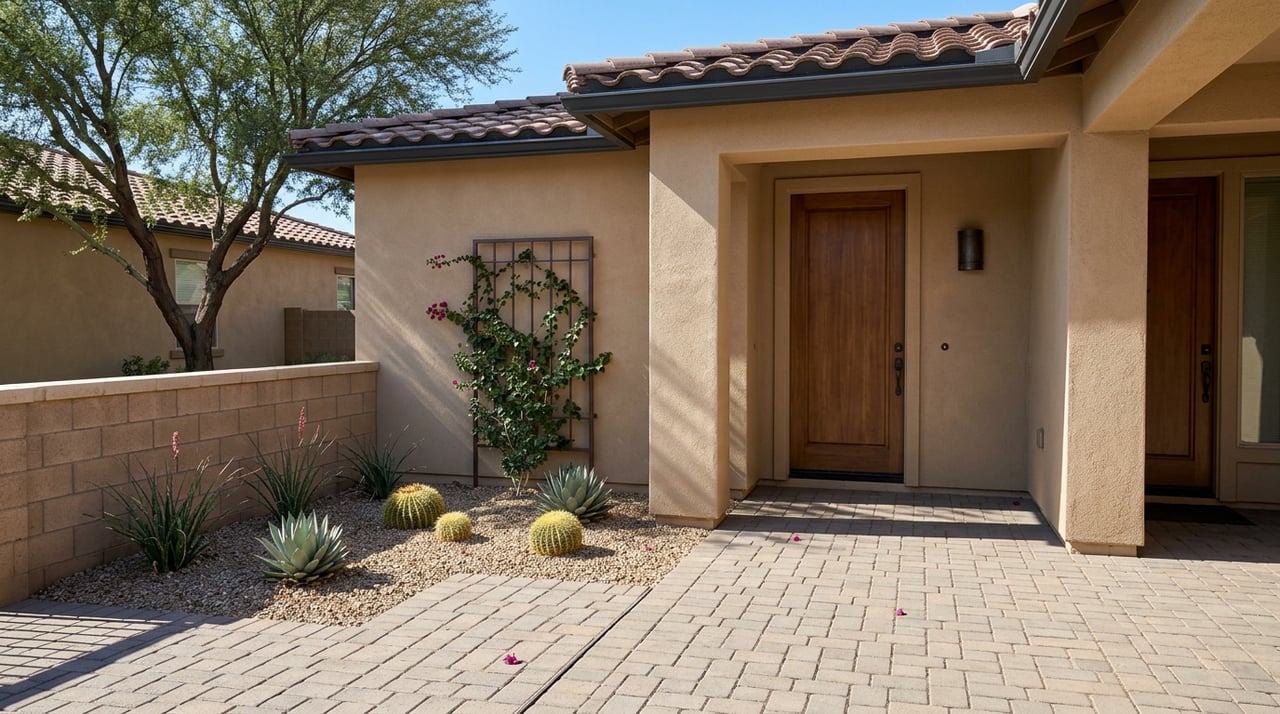
Attached townhomes and patio-home style communities are common in and around the Biltmore area. Recent listings in comparable Biltmore submarkets often ask between about $400,000 and $800,000 depending on size and finishes. HOA dues frequently land between about $300 and $1,000 per month, influenced by whether the community is gated and which amenities are included. You typically get some exterior maintenance handled, plus a bit more private outdoor space than a condo.
Single-family homes: privacy and flexibility
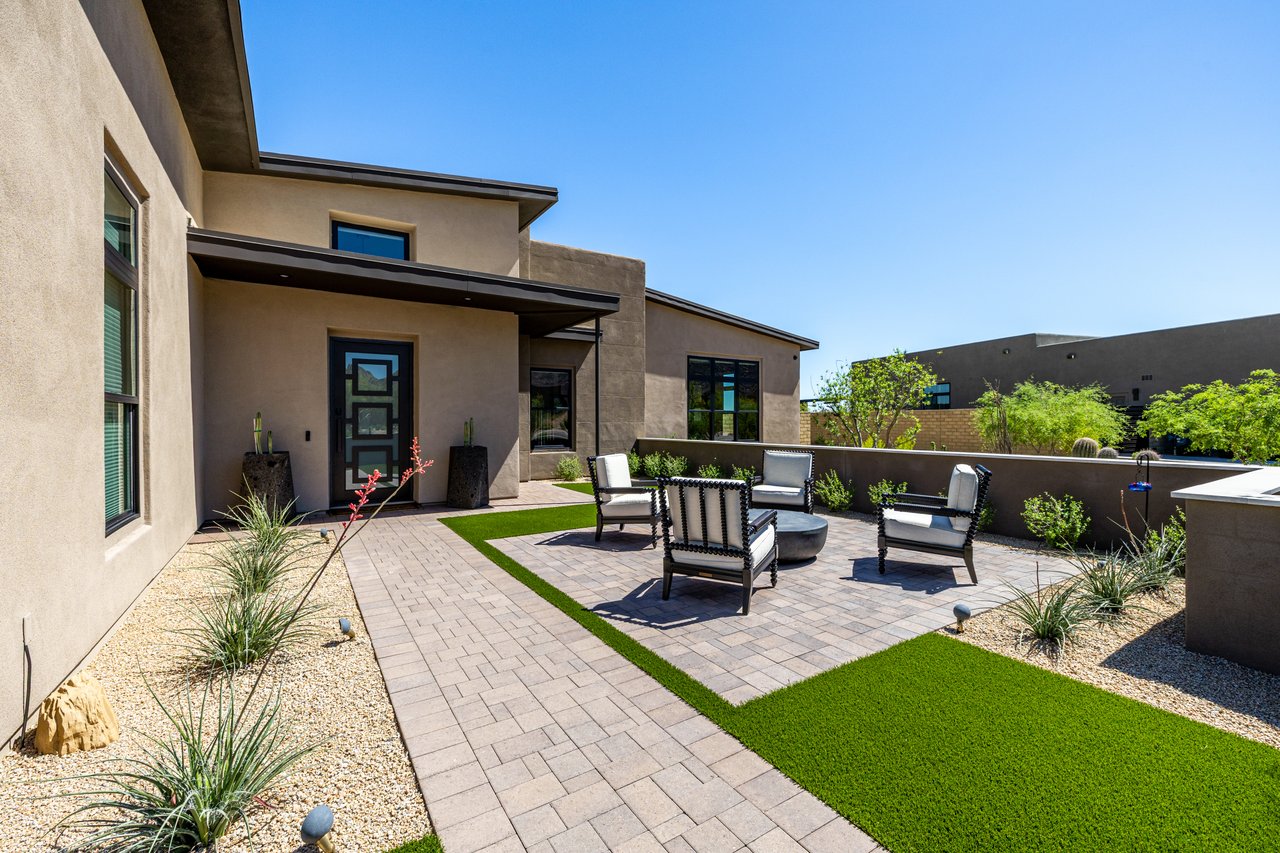
Single-family homes in the Biltmore run from updated ranch homes to larger estates, including guard-gated enclaves like Taliverde. Current listings in this segment commonly range from roughly $900,000 to more than $4 million, with many move-up homes trading between $1 million and $2.5 million. In gated single-family communities, HOA dues are often in the low hundreds per month. You gain the most privacy, parking, yard and entertaining space, plus flexibility for exterior changes subject to architectural review.
How HOAs work here
Master plus sub-association
There are two HOA layers to know about. ABEVA, the master association, handles items like community streets and the roving patrol. Then your sub-association manages the interior community or building you live in. That means you will likely receive two HOA bills. Budget for the ABEVA assessment and your sub-association dues together to understand your true carrying costs. The ABEVA overview explains this structure, and you can find sub-association manager contacts on the ABEVA management list.
What condo HOAs include
High-amenity condo associations often include the building’s master insurance policy, exterior maintenance and roof, elevators and common utilities, shared amenities, onsite staff or concierge, and reserves for capital projects. These line items explain why condo dues are higher. If a big repair is due and reserves are low, an association may levy a special assessment, so it is smart to review the budget and reserve study before you buy.
What single-family HOAs include
For single-family homes inside gated enclaves, monthly dues usually fund gate or guard operations, private road maintenance, community landscaping, and architectural review. These communities often carry lower monthly dues than full-service high-rise condos. If the neighborhood does not maintain pools, gyms, or underground parking, that also keeps monthly costs down.
Reserves and special assessments
A healthy reserve plan protects you from surprise special assessments. ABEVA’s published budget shows operating costs, reserve transfers, and line items for gates, security, landscaping, and street maintenance. Before you make an offer, request the most recent reserve study, current budget, and any board minutes that reference capital projects. You can review how the master association plans for maintenance in the ABEVA budget and then request the same from your sub-association.
Lifestyle and location benefits
One of the biggest value drivers in Arizona Biltmore Estates is lifestyle. You are close to resort golf, dining, and high-end retail. The Arizona Biltmore Golf Club operates the Estates and Links courses, and many owners prioritize easy access to tee times and clubhouse amenities. See course details at the Arizona Biltmore Golf Club.
Retail and dining are also part of the appeal. Biltmore Fashion Park offers upscale brands and restaurants within a quick drive. For a snapshot of the center’s tenant mix and visitor profile, check the Biltmore Fashion Park fact sheet.
Decision framework: condo vs home
Use these questions to guide your choice in the ABEVA area.
Lock-and-leave vs control
- Condos provide the strongest lock-and-leave setup. Exterior upkeep is handled, and many buildings include onsite staff.
- Townhomes split the difference with some exterior maintenance and a small private yard or patio.
- Single-family homes offer the most control over your property and outdoor space, but you handle more maintenance unless the HOA includes landscape services.
If you travel often or want near-zero yard work, a condo or townhome typically wins.
Privacy, noise, and space
- Single-family homes deliver the most privacy, private parking, and options for a pool or guest casita.
- Condos and townhomes share walls and common areas. If you value quiet and hosting large gatherings, a single-family lot is usually the better fit.
Amenities and daily routine
- If daily access to golf, resort dining, and upscale retail is central to your lifestyle, prioritize locations close to the resort core and Biltmore Fashion Park. Proximity can boost daily convenience and long-term desirability.
Financing and resale
- Condos come with project-level financing rules that can affect your mortgage options and your future buyer pool. Fannie Mae’s condo project standards explain why items like reserve funding, owner-occupancy ratios, and litigation matter to lenders. Share the condo questionnaire with your lender early and ask about project warrantability. You can review the framework at Fannie Mae’s project eligibility page.
If you want maximum resale flexibility, verify warrantability and the HOA’s financial health before you submit an offer.
Rentals and second-home use
- Rental policies vary by sub-association. Some allow long-term rentals with minimum lease terms. Others restrict short-term rentals or set owner-occupancy requirements. Always check the CC&Rs and rules for your specific community. ABEVA provides master governing documents and points you to sub-association CC&Rs. Start with ABEVA’s governing documents.
Taxes and insurance
- Maricopa County’s effective property tax rates are generally lower than many U.S. markets, often around 0.45 to 0.50 percent depending on the taxing districts and exemptions. You can review local context with this Arizona property tax overview. Insurance needs vary by property type, so confirm what the HOA’s master policy covers in a condo and what you must insure yourself.
Try this 60-second test
- You want to lock the door and fly out without worrying about the yard. Choose a condo, or a townhome if you want a small patio.
- You host often and want a private pool or large yard. Choose a single-family home.
- You want lower monthly dues and do not need a concierge or elevator. Choose a single-family home in a gated enclave.
- You like amenities and a simplified life, and you are comfortable with higher monthly dues. Choose a condo in a full-service building.
Buyer due-diligence checklist
Confirm the ABEVA invoice and current master assessment. Review the ABEVA budget package for operating costs, reserves, and planned projects.
Request the sub-association HOA packet. Ask for CC&Rs, bylaws, the current budget, the latest reserve study, the last 12 to 24 months of board minutes, insurance declarations, and all rules, including pet and rental policies. Use contacts from the ABEVA sub-association management list.
For condos, have the HOA complete the lender condo questionnaire. Share it with your lender early to flag any warrantability issues. Learn why it matters at Fannie Mae’s condo project standards.
Ask about recent or upcoming special assessments and the HOA delinquency rate. These details appear in budgets or board minutes. Review the master-level approach in the ABEVA budget and request the same from your sub-association.
Verify insurance responsibilities. In a condo, confirm what the master policy covers versus what you must insure inside the unit. In a single-family or patio-home setting, clarify which exterior or landscape services are included in dues.
Pressure-test lifestyle fit. Visit at different times of day, test drive your commute, and confirm proximity to amenities like the Arizona Biltmore Golf Club.
Set pricing and resale expectations. Ask your agent for recent comparable sales by property type within the ABEVA area to understand tradeoffs between condos, townhomes, and single-family homes.
When each option wins
Choose a condo if
- You want maximum convenience and minimal maintenance.
- You value elevators, fitness centers, rooftop pools, or concierge-style services.
- You are comfortable with higher monthly dues and potential special assessments.
Choose a single-family home if
- You want privacy, a yard, and room to entertain.
- You want the flexibility to remodel the exterior, subject to architectural review.
- You prefer typically lower monthly dues and you are okay managing more maintenance.
Choose a townhome if
- You want a small private patio or yard without full single-family upkeep.
- You want a balance between monthly dues and amenities.
- You like a neighborhood feel with some shared services.
Your next step
If you want help matching the right property type to your lifestyle and budget inside Arizona Biltmore Estates, we are ready to guide you. From HOA deep dives to price and resale analysis by sub-community, you will get clear answers and a smooth path to the right home. Start a conversation with Bryce Hull to plan your move.
FAQs
What does ABEVA cover and how much are the fees in Arizona Biltmore Estates?
- ABEVA handles master-area items like common-area landscaping, street maintenance, and a 24/7 roving patrol; recent budget math implies about $350 per owner per year, but you should confirm your exact assessment with ABEVA and your sub-association since amounts can vary. See the ABEVA overview and budget package.
How much are typical condo HOA dues in the Biltmore area?
- In high-amenity buildings, listings commonly show dues around $600 to $1,500 per month, with some units reaching roughly $2,200 where services or capital projects expand; always verify the current fee, what it covers, and any special assessments in the HOA documents.
Are there financing challenges with Biltmore condos?
- Possibly; condo project warrantability, reserve funding, litigation, and owner-occupancy ratios can affect loan options and resale demand, so have the condo questionnaire reviewed early using Fannie Mae project standards.
Can I rent out my Arizona Biltmore Estates property?
- Rental rules vary by sub-association, including minimum lease terms or short-term rental limits; review the CC&Rs and community rules and start with ABEVA’s governing documents for the master framework.
How do Maricopa County property taxes compare for budgeting?
- Maricopa County’s effective rates are often around 0.45 to 0.50 percent depending on districts and exemptions; run parcel-level checks and review local context in this Arizona property tax overview.